

While the idea of a custom home is rooted in boundless creativity, building within an HOA often introduces a dose of reality.
HOAs are known for their rules, and custom home builds will be subject to architectural standards that apply within that HOA. You might encounter limitations on everything from your home’s size and architectural style to the specific materials you can use on the outside.
Even your landscaping choices, fence types, and how long you have to build can be set by HOA guidelines. This can significantly reduce your creative freedom, potentially forcing you to compromise on your dream design or incur additional costs to meet specific requirements.
For instance, imagine you’ve always dreamed of a modern, flat-roofed home with large, industrial-style windows. However, the HOA in your desired community might have a rule that all homes must adhere to a “traditional” architectural style, requiring pitched roofs, specific exterior materials like brick or stucco, and a limited palette of muted colors. You’d either have to completely redesign your dream home or find land outside that HOA.
Another common restriction involves solar panels; while many HOAs now permit them, they often require them to be placed on the back of the home, not visible from the street, even if the front of your house gets better sun.
A significant downside of HOA living is the recurring cost. You’ll need to pay monthly or annual HOA dues, which is another expense on top of your mortgage and property taxes. These fees cover things like keeping common areas tidy, maintaining amenities, and administrative costs. Besides the regular dues, be ready for the chance of special assessments. These are one-time fees that can pop up for unexpected community repairs or big improvement projects.
A homeowner buying a lot in an HOA community, for instance, might budget for a mortgage and property taxes, but quickly realize a $5,000 monthly HOA fee adds up to $60,000 annually – a substantial recurring cost that might not have been fully accounted for initially. A few years later, the HOA could notify residents of a $20,000 special assessment per household if, say, the community’s main drainage system failed, causing minor flooding in some common areas. If the reserve fund wasn’t sufficient to cover the unbudgeted repair, every homeowner would have to contribute this extra amount.
When you buy land in an HOA, you’re essentially agreeing to follow a set of rules that even apply to your own property. This can feel like a big loss of personal control.
A homeowner might decide to paint their front door a vibrant teal color to add personality. A few weeks later, they could receive a notice from the HOA stating the color was not on their approved palette and they needed to repaint it to a “subdued, earth-tone” within 30 days or face fines. Similarly, in many HOAs, a family might be told to remove a temporary basketball hoop from their driveway, as HOA rules state such items cannot be stored in visible common areas, even if on private property. These restrictions often dictate personal choices regarding landscaping, renovations, parking, and even exterior decorations, potentially clashing with individual preferences.

HOAs are run by a board of directors, and disagreements can happen between homeowners and the board, or even among neighbors. These disputes often come down to how rules are understood and enforced.
One common scenario involves a homeowner who starts parking a large commercial work truck in their driveway overnight, despite an HOA rule against commercial vehicles being parked in plain sight for aesthetic reasons. Even with repeated warnings, if the homeowner refuses to move it, this can escalate into fines, strained relations with neighbors who complain, and potentially even the HOA placing a lien on the property for unpaid fines, creating significant stress and a legal battle. Another frequent source of conflict might involve noise complaints, where the HOA mediates disputes about loud parties or incessantly barking dogs after quiet hours.
Not all HOAs are created equal. You might run into problems with how the HOA is managed, like a lack of clear financial decisions or a feeling that board members aren’t being held accountable.
Residents in one community, for example, noticed that common area landscaping was deteriorating, and the community pool often had broken tiles, despite rising HOA fees. When they asked to see detailed financial reports and meeting minutes to understand where their money was going, the HOA board was slow to provide them, or provided vague summaries without clear breakdowns. This lack of transparency led to a lack of trust and accusations of mismanagement, making homeowners feel powerless over how their contributions were being handled.
Despite the potential drawbacks, HOAs offer several compelling benefits that can enhance your custom home living experience.
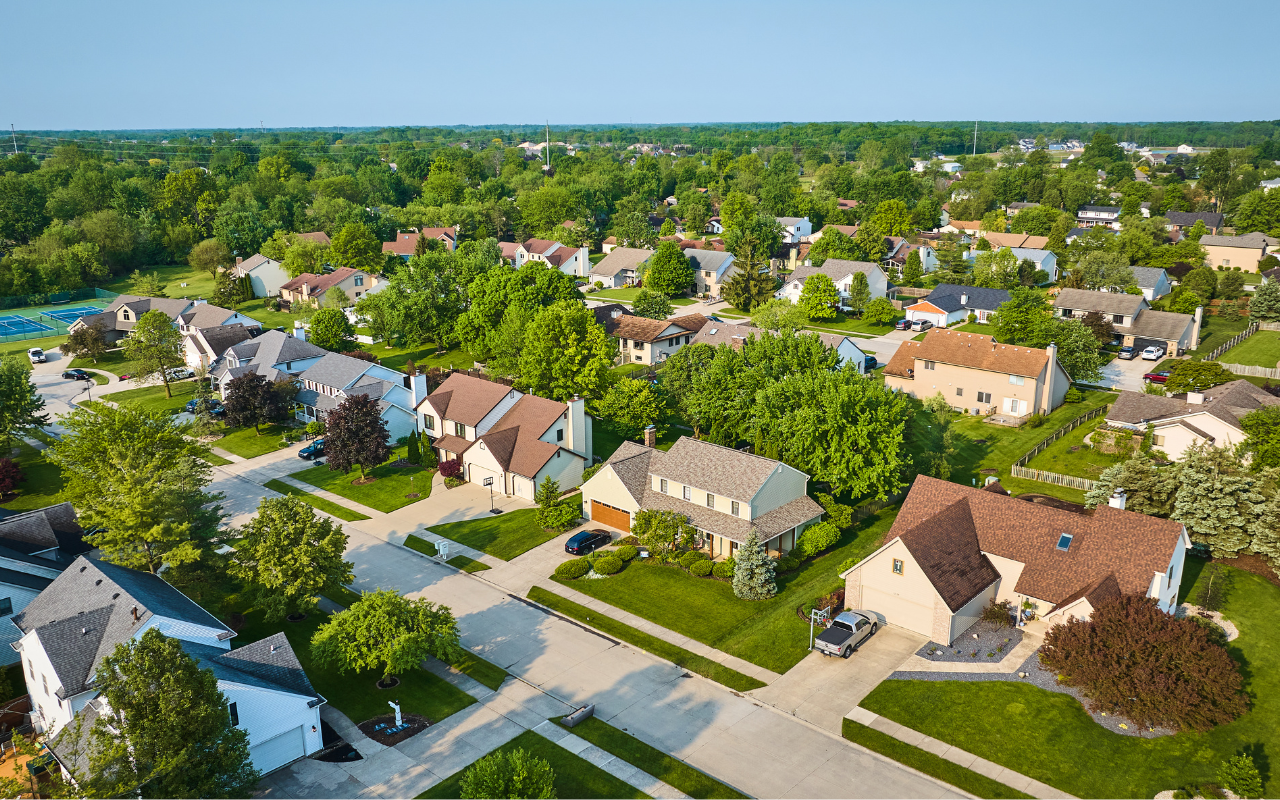
One of the biggest pluses of an HOA is how it helps keep the community looking good. HOA rules often help maintain consistent landscaping and architectural standards, as well as the general upkeep of properties. This not only makes the neighborhood more appealing but can also help your custom home hold onto its value better or even increase it, thanks to the community’s consistent and attractive appearance. Imagine driving through two neighborhoods.
Many HOAs provide a wealth of amenities that would be too expensive for individual homeowners to install or maintain on their own. These can include swimming pools, fitness centers, clubhouses, parks, sports courts, and walking trails. Having access to these facilities makes your life richer and can help build a strong sense of community through organized events and shared spaces.

HOAs often take care of important services that make daily life easier. This might include snow removal, trash collection, and even basic landscaping for common areas, freeing up your time and reducing your individual responsibilities for these tasks.
For those who prioritize safety, some HOAs offer extra security measures. This can range from gated entrances with controlled access to dedicated security patrols, giving residents a greater sense of safety and peace of mind.
A gated community with a 24/7 security guard controlling access at the main entrance provides a tangible sense of security for residents. They know that only authorized vehicles and guests can enter, significantly reducing random traffic and potential crime. Some HOAs also invest in community-wide surveillance cameras in common areas, well-lit streets, or even neighborhood watch programs facilitated by the HOA, all contributing to a safer environment.
While conflicts can happen, HOAs also provide a clear way to handle disagreements between neighbors and to make sure community rules are followed. Instead of having to personally confront a neighbor about a rule that’s been broken, you can go to the HOA board to address the issue.



Before you commit to buying land in an HOA for your custom home, doing your homework is extremely important.
This is perhaps the most important step. You must carefully read the core documents that govern an HOA: the Covenants, Conditions, and Restrictions (CC&Rs), the bylaws, and the financial statements. Don’t just skim these; they contain all the details that will affect your life in the community. You can usually get these documents from the seller or their real estate agent.
For a more comprehensive understanding of these documents, you can refer to resources like this guide on Understandings HOA Documents.
When reviewing HOA documents, a buyer might notice the HOA fees had increased by 10% annually for the past three years, and the reserve fund balance was suspiciously low. Upon further inquiry, they learn the HOA was facing a major common area roof replacement in the next two years, and it’s highly likely a significant special assessment would be levied. This information allows them to factor this potential cost into their budget or reconsider the purchase.
You can find more details on what to look for in HOA financials here: Guide to HOA Financials.

Before you even start designing, inquire about specific architectural rules, approved building materials, and any review processes for designs. Make sure you understand the timeline for approving custom home plans – some HOAs have long review periods that could delay your project. Ask about any restrictions on contractors or construction hours as well.
A builder, for instance, designed a stunning modern home for a client, only to find that the HOA’s Architectural Review Committee (ARC) had a 60-day review period for all plans and only met once a month. This significantly pushed back their construction start date because they missed the submission deadline for the next meeting. They also discovered the HOA had a very specific list of approved exterior paint colors, far more limited than they initially assumed.
For insights into common architectural review processes, check out resources like this: HOA Architectural Guidelines Explained.
Get a clear understanding of the current HOA fees, when they’re due, and how much they’ve increased over the past few years. Crucially, ask about the HOA’s reserve fund – this is money set aside for big future repairs and replacements. A healthy reserve fund indicates good financial planning and can help avoid large special assessments later on.
When reviewing HOA documents, a buyer might notice the HOA fees had increased by 10% annually for the past three years, and the reserve fund balance was suspiciously low. Upon further inquiry, they learn the HOA was facing a major common area roof replacement in the next two years, and it’s highly likely a significant special assessment would be levied. This information allows them to factor this potential cost into their budget or reconsider the purchase.
Learn more about evaluating HOA fees and reserve funds here: Understanding HOA Fees and Reserves.

Beyond the reserve fund, ask to see recent meeting minutes from the HOA board. This can offer insights into current issues, future plans, and how the HOA is generally managed. Inquire about any ongoing lawsuits involving the HOA or any major upcoming projects that might lead to special assessments.
Before buying, a savvy buyer might request the last 12 months of HOA board meeting minutes. They might discover ongoing disputes among board members, frequent changes in property management companies, and several discussions about a lawsuit filed against the HOA by a previous contractor. These red flags could indicate potential instability and future financial issues, leading the buyer to decide against the purchase.
The best way to truly understand what it’s like to live in a particular HOA is to chat with people who already live there. They can offer firsthand experiences with the HOA’s management, how rules are enforced, the community vibe, and any recurring problems or benefits. Their insights can be incredibly valuable and aren’t something you’ll find in any document.
A prospective buyer, for example, might visit an HOA community and, while walking around, strike up a conversation with a resident walking their dog. The resident might share frustrations about inconsistent rule enforcement (some people get fined for minor infractions, others don’t), a specific board member who is perceived as overbearing, and delays in getting amenities repaired. This candid feedback offers a realistic view that glossy brochures could never convey.