
Pros and Cons of Building a Home vs. Buying a Home
Table of Contents
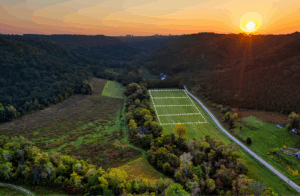
Imagine waking up in your dream home, sunlight streaming through expansive windows, a pristine forest stretching out beyond your back deck, and the stresses of city life a distant memory.
This vision of a custom-built home, perfectly tailored to your lifestyle and nestled in your ideal location, is a powerful motivator for many aspiring homeowners. In fact, 81% of renters aspire to own a home in the future. Additionally, with remote work reshaping the way Americans live, 3 in 4 say it has allowed them to live where they want and be better off financially. This newfound flexibility has fueled the desire for custom home builds in ideal locations and to create a living space that aligns with their personal vision.
But is building from the ground up the right move for you? While it offers complete control over design and location, it also comes with challenges—longer timelines, unexpected costs, and logistical hurdles. Let’s break down the real pros and cons so you can make an informed decision before breaking ground.
The Disadvantages of Building a Home on Land
1. Higher Upfront Costs
- Land Prices – The average value of an acre in the United States is about $12,000, but prime lots in high-demand areas can exceed $100,000. Land in highly sought-after areas, like coastal regions or near major cities, can easily exceed $100,000 per acre.
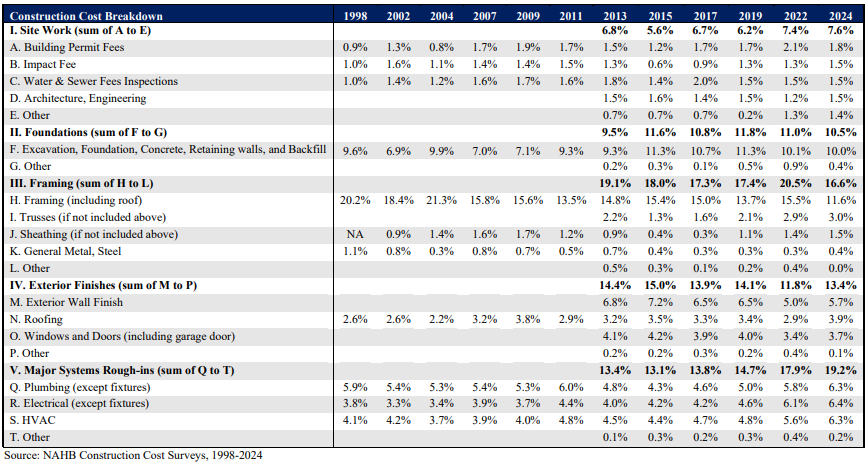
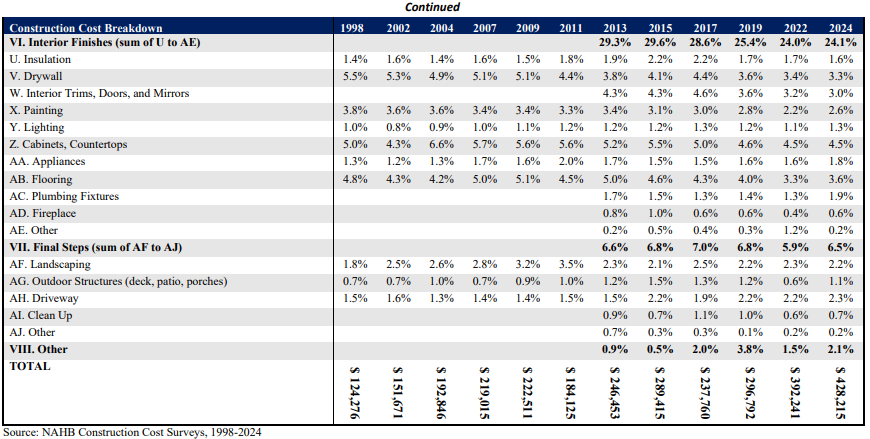
- Construction Costs – The average construction cost of a typical single-family home in 2024 is $428,215 or about $162 per square foot – the highest in the history of this series according to NAHB’s most recent Cost of Construction Survey. If the cost to build is $164 per square foot, a 2,000 sq ft home would cost $328,000.


2. Time-Consuming Process
- Construction Timeline – Building a home is a marathon, not a sprint. According to data from the U.S. Census Bureau, in 2022, the average length of time from start to completion for new privately owned residential buildings with 1 unit in the US was 8.3 months.
- Authorization to Start – Before construction can even begin, there’s a period between obtaining authorization (permits, etc.) and actually starting the build. In 2022, this averaged 1.4 months across all building types.
Total Time (Authorization to Finish) – To get a more complete picture of the time commitment, we need to add the authorization-to-start time to the construction time. This means the total time from authorization to finish averaged:
- Built for sale: 7.6 months + 1.4 months = 9.0 months
- Contractor built: 10.1 months + 1.4 months = 11.5 months
- Owner built: 12.1 months + 1.3 months = 13.4 months
- Overall Average: 8.3 + 1.4 = 9.7 months (approximately)
Remember, this is just the construction phase; you also need to factor in the time spent on planning, design, permitting, and land acquisition before construction even begins.
3. Unforeseen Challenges
Hidden surprises can lurk beneath the surface of even the most idyllic piece of land. Here are some potential challenges to be aware of:
- Site Conditions – Soil issues, challenging topography, or the presence of protected species or historical artifacts can necessitate costly solutions and impact your project timeline. A thorough site assessment is crucial before you start building.
- Utility Access – Connecting to utilities may be more complex and expensive than anticipated, especially in rural areas or if well and septic systems are required.
- Permitting and Regulations – Navigating zoning regulations, building codes, and other restrictions can be time-consuming and may require professional assistance.
- Site Conditions – Soil issues, challenging topography, or the presence of protected species or historical artifacts can necessitate costly solutions and impact your project timeline. A thorough site assessment is crucial before you start building.

4. Stress and Decision Fatigue
Building a home is not just a financial investment; it’s an emotional one. While the vision of a custom-built dream home is incredibly appealing, the path to achieving it can be an emotional rollercoaster, filled with stress and countless decisions.
- Decision Fatigue – From the initial design phase to the final finishing touches, homeowners are faced with an overwhelming number of choices. This constant decision-making can lead to “decision fatigue,” a state where the ability to make sound judgments becomes impaired due to the sheer volume of choices. This fatigue can translate to costly mistakes, budget overruns, or simply a feeling of being overwhelmed and burnt out.
- Sources of Stress – Managing contractors, staying within budget, navigating unexpected issues, and dealing with potential delays can all take a toll. Communication breakdowns with contractors or architects are a common source of frustration. In fact, 87% of homeowners faced challenges during their home renovation, with managing stress being a common issue.
- Decision Fatigue – From the initial design phase to the final finishing touches, homeowners are faced with an overwhelming number of choices. This constant decision-making can lead to “decision fatigue,” a state where the ability to make sound judgments becomes impaired due to the sheer volume of choices. This fatigue can translate to costly mistakes, budget overruns, or simply a feeling of being overwhelmed and burnt out.
5. Market Risks
Building a custom home is a major financial decision, and it’s important to be aware of potential market risks. Real estate markets are dynamic, and various factors can influence property values.
- Overbuilding in a Declining Market – Imagine spending $500,000 to build your dream home, only to discover that similar properties in your area are selling for 10–15% less by the time you’re ready to list. In 2023, 12% of newly built suburban homes sold below their construction cost as buyers shifted toward urban condos and smaller homes.
- Shifting Buyer Preferences – Even if you build a home you love, future buyers might not agree. Design trends and buyer priorities evolve quickly. The NAR’s Home Buyers and Sellers Generational Trends 2023 report shows that energy efficiency is a significant factor for many homebuyers, particularly younger generations.
- Interest Rate Risks – Mortgage rates heavily influence buyer demand. In 2023, rates hovered near 7%, pricing many buyers out of the market. . If rates climb during your build, your $500,000 home might only appeal to buyers who can afford a $450,000 mortgage—forcing you to slash prices.
- Shifting Buyer Preferences – Even if you build a home you love, future buyers might not agree. Design trends and buyer priorities evolve quickly. The NAR’s Home Buyers and Sellers Generational Trends 2023 report shows that energy efficiency is a significant factor for many homebuyers, particularly younger generations.
The Advantages of Building a Home on Land
1. Total Customization
Imagine walking into a home where every detail—from the layout to the light fixtures—reflects your personality and lifestyle. Building from scratch allows you to create a space tailored to your unique needs.
- In 2023, 71.5% of the single-family homes started were built-for-sale, and 9.7% were built-for-rent and the remaining 18.9% was from individuals and families building a custom home of their own, according to data from the Census Bureau’s Survey of Construction (SOC).
- Features like open-concept layouts, home offices, and energy-efficient systems are among the most popular customizations, with 89% of buyers prioritizing these elements (NAHB Design Trends)
- In 2023, 71.5% of the single-family homes started were built-for-sale, and 9.7% were built-for-rent and the remaining 18.9% was from individuals and families building a custom home of their own, according to data from the Census Bureau’s Survey of Construction (SOC).
Why it matters: Customization isn’t just about aesthetics—it’s about functionality. This level of control extends to every detail, from the floor plan and room sizes to the materials, finishes, and even the placement of windows to maximize natural light. Want a gourmet kitchen? A dedicated home office? A luxurious master suite? With a custom build, the possibilities are virtually endless.

2. Location Freedom
Building on raw land gives you the freedom to choose the perfect location for your dream home. Whether you envision a peaceful rural retreat, a vibrant suburban neighborhood, or a lot within a specific school district, the choice is yours. This location freedom is a significant advantage for those seeking a particular lifestyle or proximity to specific amenities.
- The National Association of Home Builders (NAHB) reports a growing preference for suburban living, with demand for housing in these areas increasing by 20% in the past decade.
- According to recent USDA data, rural land purchases, specifically agricultural land values, have been steadily increasing, with a 5% rise in 2024.
- Since 2019, rural areas have consistently increased in population, which is in line with the rise of remote work. Why are remote workers choosing to move to rural areas? One reason is commute time and cost; per Owl Labs, employees’ work-related costs see a roughly 50% reduction when they transition to remote work.
Why it matters: Location impacts everything from daily commutes to quality of life. Building on land lets you choose a setting that enhances your well-being and aligns with your long-term goals.
3. Long-Term Investment
Custom homes aren’t just a place to live—they’re a smart financial investment. While the initial investment for building can be higher, a well-built custom home often has strong appreciation potential, especially if the land is in a desirable and growing area. New construction homes often appreciate faster than older homes in the market.
- Realtor.com’s 2023 Housing Trends Report notes that new homes sell faster, spending 7–10 fewer days on the market than older homes.
- In the same 2023 analysis by Realtor.com, homes built after 2010 sold 15% higher than older homes in the same market (Realtor.com New Construction Trends).
- Realtor.com’s 2023 Housing Trends Report notes that new homes sell faster, spending 7–10 fewer days on the market than older homes.
Why it matters: Building a home allows you to incorporate modern features, updated building codes, and energy-efficient technologies that are attractive to buyers. Furthermore, as you pay down your mortgage, you build equity in your home, increasing your net worth over time.

4. No Renovation Hassles
One of the significant advantages of building new is avoiding the headaches and costs associated with renovating an older home. No dealing with outdated plumbing, unexpected structural issues, or the endless cycle of repairs and upgrades. Everything is brand new, built to your specifications, and under warranty.
- The average cost to remodel your whole house is between an average of $10 – $60 per square foot. So on the low end, a 2,500-square-foot home costs at a minimum about $25,000 to remodel. This includes improvements like painting, landscaping, and updating the trim and flooring.
- A 2023 HomeAdvisor survey found that 30% of homeowners regretted buying an older home due to unexpected repair costs (HomeAdvisor Remodeling Guide).
- The average cost to remodel your whole house is between an average of $10 – $60 per square foot. So on the low end, a 2,500-square-foot home costs at a minimum about $25,000 to remodel. This includes improvements like painting, landscaping, and updating the trim and flooring.
Why it matters: Building new means everything—from the roof to the plumbing—is brand new and under warranty. This can save you both time and money in the long run, and it provides peace of mind knowing that your home is structurally sound and up-to-date.
5. Energy Efficiency
When building a custom home, you have the opportunity to incorporate modern, energy-efficient materials and technologies from the start. This can lead to significant savings on utility bills and a smaller environmental footprint.
- Home buyers are looking to incorporate home technologies that increase the long-term value of their house while also providing convenience, safety and comfort.In fact, NAHB research shows that most home buyers want an energy-efficient home and are willing to pay more for it.
- ENERGY STAR-certified homes use 15–20% less energy than standard homes. By incorporating technologies that help make homes more efficient, ENERGY STAR estimates that home owners can save $200 to $400 annually on their energy bills.
- Home buyers are looking to incorporate home technologies that increase the long-term value of their house while also providing convenience, safety and comfort.In fact, NAHB research shows that most home buyers want an energy-efficient home and are willing to pay more for it.
Why it matters: Energy-efficient homes aren’t just good for the planet, they’re good for your wallet. Lower utility bills and potential tax incentives make them a smart choice for the long term. From high-efficiency insulation and windows to solar panels and smart home systems, you can create a home that is both comfortable and environmentally responsible.


We are very pleased with the fair offer we received from Acrewell Land Company for our land. Alexander Reese and Marilag walked us through all aspect of the selling process, which made us feel more comfortable that we were making the right choice. I fully recommend this company to anyone who is considering selling their property to Acrewell.
I am absolutely delighted to write a glowing review for Acrewell's recent land purchase from us. The entire experience of transitioning the land ownership was incredibly smooth and efficient, thanks to Acrewell's exceptional professionalism and clear communication throughout the process.
Acrewell is awesome! I love the weekly updates. Marilag was very professional. She genuinely cared that my needs were met and questions answered. This has been a very easy transition. I highly recommend Acrewell.
Key Considerations Before Building
Building a home on land is an exciting journey, but it requires careful planning and preparation. From securing financing to evaluating the land and hiring the right team, each step plays a critical role in ensuring your project’s success. Let’s break down the key considerations with data-driven insights to help you navigate the process.
1. Financing
Building a home requires specialized financing, and recent trends show that lenders are becoming more selective. According to Cumming Group’s analysis of FDIC data, lending for home construction has declined more sharply compared to other types of real estate development loans, such as those for nonresidential projects, land development, and multifamily properties. While these other loan types are only down 7% from their peak, home construction loans have seen a more significant drop, reflecting tighter lending standards for single-family builds.
- Why it matters: Securing financing for a custom home can be more challenging than for other types of projects. Lenders may require higher credit scores, larger down payments, or more detailed project plans.
- What to do: Work with a lender experienced in construction loans and be prepared to demonstrate the viability of your project. Consider alternative financing options, such as construction-to-permanent loans, which combine land purchase and construction costs into one loan.
2. Choosing the Right Builder
The success of your custom home project hinges on the expertise and reliability of your builder. Choosing the right partner for this journey is a critical decision that will significantly impact your experience and the final outcome. An inexperienced or unreliable builder can lead to costly mistakes, frustrating delays, and even legal disputes.
- Why It Matters: A skilled builder or contractor ensures your project stays on track, on budget, and up to code. Poor hiring decisions can lead to delays, cost overruns, and subpar workmanship.
- What to Do: Hire licensed professionals with strong portfolios and references, and clearly define expectations, and payment terms in written contracts to ensure a smooth process.
3. Land Evaluation
Building a home on land requires a thorough evaluation of the property’s soil, topography, and access to utilities. Soil testing costs $800–$1,800, but poor soil quality can increase foundation costs by 20–30%. Utility hookups for remote sites can cost $10,000–$30,000, depending on distance and terrain. Additionally, steep slopes or uneven terrain can add $5,000–$15,000 to site preparation costs.
- Why It Matters: Skipping land evaluation can lead to costly surprises, such as unstable foundations, expensive utility installations, or even an unbuildable lot. These hidden costs can blow your budget and delay your project.
- What to Do: Conduct a thorough land evaluation, including soil tests, topographic surveys, and utility access assessments, and budget for potential site preparation costs like grading or utility extensions. Consult with a land expert to identify any red flags before purchasing to avoid costly surprises.
4. Zoning and Permits
Authorization and permit takes approximately a month and a half before you can start your project and every locality has specific zoning regulations and building codes that dictate what can be built and how. Agricultural zoning may prohibit residential construction, while floodplain designations require expensive insurance.
- Why it matters: Failing to comply with zoning ordinances can lead to costly redesigns, project delays, and even legal issues. It could force even demolition of your project. Understanding local regulations ensures your build is compliant and avoids costly legal issues.
- What to Do: Research local zoning laws and building codes before purchasing land, and work with a professional to secure all necessary permits while allocating time and budget for potential delays in the permitting process.
5. Staying within your budget
Most custom home builders offer fixed-price contracts, which provide a degree of predictability. However, it’s important to understand that changing the designs or specifications after signing the contract can reset expectations and prices. Therefore, it’s crucial to finalize your design choices and make all major decisions before signing the contract to avoid unexpected cost increases.
Creating a realistic budget is essential for a successful building project. However, it’s not just about the obvious costs; it’s about anticipating potential hidden expenses. A general rule of thumb is to set aside 10-20% of your budget for unexpected costs.
- Why It Matters: Without a detailed budget, hidden costs can derail your project and leave you financially strained. Proper planning ensures you’re prepared for every stage of the build.
- What to Do: Create a comprehensive budget that includes land purchase, construction, permits, and contingencies, and work with a financial advisor or builder to identify potential hidden costs. Regularly review and adjust your budget as the project progresses to stay on track. It’s easy to get caught up in the excitement of building and make impulsive upgrades or additions. Stick to your budget and prioritize essential features over nice-to-haves.
6. Future Resale Value
Even if you plan to stay in your home forever, designing with resale in mind protects your investment. Homes with ENERGY STAR certification sell for 5–8% (National Association of Realtors) more than comparable homes, while properties with smart technology sell 7% faster. Flexible layouts, such as open-concept designs, appeal to 72% of buyers.
- Why It Matters: Thoughtful design choices ensure your home remains marketable and retains its value over time. Ignoring resale potential can limit your options if you decide to sell.
- What to Do: Incorporate energy-efficient features like solar panels or high-performance windows, choose timeless designs and flexible layouts that appeal to a broad audience, and consult with a real estate expert to identify features that boost resale value.
Conclusion
Building a home on land is a complex but rewarding process. By addressing these key considerations—financing, land evaluation, zoning, budgeting, hiring the right team, and future resale value—you can minimize risks and maximize your investment.
Need Help? If you’re still searching for the perfect piece of land to build your dream home, Acrewell can help. We specialize in helping buyers find ideal rural properties that align with their vision and budget. Start your land-buying journey with us today!
Connect With Us
Please fill out the form below and we’ll be in touch.
Table of Contents
Post Categories
Latest Posts

Ready to Learn More?
Discover How We Can Help You Buy Land