



Acrewell Land Company

Selling Land With Wetlands in North Carolina

What Are Wetlands and Why Are They Important?


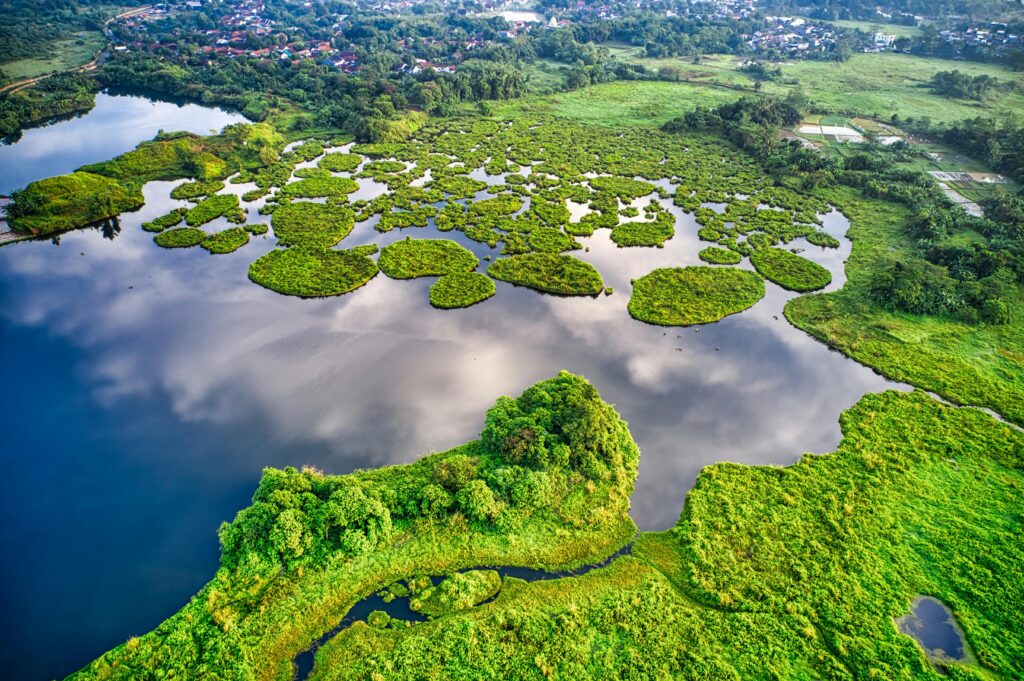
Wetlands are unique ecosystems where water saturates the soil for at least part of the year, creating an environment conducive to specific types of vegetation adapted to wet conditions. Defined by the
US Environmental Protection Agency as “are areas where water covers the soil, or is present either at or near the surface of the soil all year or for varying periods of time during the year, including during the growing season,” These areas are not just waterlogged lands; they are highly productive ecological systems that provide critical environmental services (Source: NCDEQ).  

Wetlands play a vital role in maintaining healthy ecosystems and human communities. According to the U.S. Environmental Protection Agency (EPA), wetlands are crucial for water purification, trapping pollutants, and preventing soil erosion. They act as natural filters, removing contaminants from water before it enters larger bodies such as rivers or lakes. Wetlands also serve as carbon sinks, helping to mitigate climate change by sequestering carbon dioxide from the atmosphere.

Beyond their environmental functions, wetlands contribute significantly to biodiversity by providing habitat for a variety of plant and animal species, many of which are unique to these ecosystems. The U.S. Fish and Wildlife Service estimates that wetlands are home to more than one-third of the nation’s endangered species. They also help regulate the water cycle by absorbing excess rainfall and preventing flooding, making them essential in flood-prone areas.

Wetlands in North Carolina

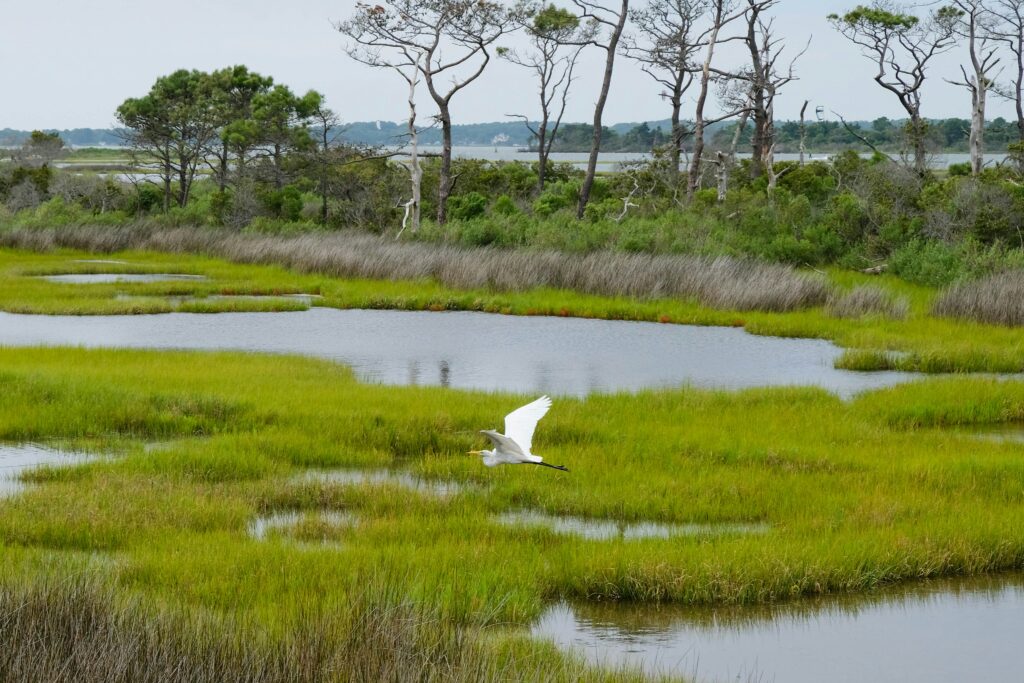
North Carolina is a state blessed with an abundance of wetland ecosystems, from the cypress swamps of the coastal plain to the mountain bogs of the Appalachians. These diverse wetlands contribute to the state’s rich biodiversity, offering vital habitat for wildlife and playing an essential role in maintaining water quality and mitigating flood risks. (Source: Fish and Wildlife Service, 2020) In fact, wetlands cover an estimated 4 million acres, roughly 12% of North Carolina’s total land area – that’s larger than the entire state of Connecticut! 

However, this ecological treasure is facing a growing threat. Despite their importance, North Carolina has experienced significant wetland loss over the years. A study by NC State University highlights the ongoing decline in wetlands due to factors such as urban development, agricultural expansion, and drainage for land use. The state’s wetlands have been particularly impacted by the conversion of land for farming and the encroachment of urban areas, leading to the loss of essential ecological functions.

This trend of wetland loss underscores the increasing value of the remaining wetlands. As wetland areas become more scarce, they are increasingly protected and regulated by state and federal laws. In 1990, wetlands covered approximately 17% of the state, but that number has now dwindled to 12%. (Source: Dahl, 1990) This scarcity has increased both the ecological value and the economic potential of wetlands. In fact, the remaining wetlands in North Carolina are now considered highly valuable due to their role in flood control, water filtration, and wildlife habitat. (Source: NC State: Wetland Loss and Legal Protection)

The growing recognition of wetlands’ importance, combined with legal protections and conservation efforts, makes land with wetlands an attractive commodity for certain types of buyers. Wetland properties may be desirable to conservationists, eco-tourists, and even developers who seek to purchase wetland credits for mitigation banking, where developers offset their environmental impacts by preserving wetlands elsewhere.

How Wetlands Impact Property Value

The presence of wetlands on a property can influence its value in various ways, depending on factors such as location, regulatory constraints, and potential uses. Here’s an overview of how wetlands can impact property value:

1. Development Restrictions and Property Value Reduction

Wetlands are often subject to stringent federal, state, and local regulations aimed at preserving their ecological functions. These regulations can limit development opportunities, potentially reducing property values. For instance, a study examining residential properties in Newton, Massachusetts, found that properties containing wetlands experienced a 4% decrease in value compared to similar properties without wetlands / non-regulated properties.

2. Mitigation Banking and Value Enhancement

Conversely, wetlands can add value through mitigation banking, where property owners restore or preserve wetlands and sell credits to developers needing to offset environmental impacts elsewhere. The value of these credits varies significantly based on location and demand. In North Carolina, for example, the average wetland credit cost is approximately $60,000 per credit, with coastal wetland mitigation costs reaching up to $560,000 per acre. (Source: Swamp School)

3. Aesthetic and Recreational Benefits

Properties adjacent to well-maintained wetlands can offer aesthetic and recreational advantages, potentially enhancing property values. Features like constructed wetlands or ponds designed for urban runoff control can create appealing natural settings, attracting buyers interested in scenic beauty and recreational opportunities. For example, developments incorporating aesthetically designed wet ponds have been marketed successfully as natural lakes, enhancing the value of surrounding properties. (Source: InterNACHI)

4. Safety Concerns and Potential Value Decrease

However, if wetlands or associated water features pose safety risks, such as deep retention ponds without proper safeguards, they can negatively affect property values. Safety concerns may deter potential buyers, leading to a decrease in property desirability and market value. (Source: InterNACHI)

The impact of wetlands on property value is multifaceted, with potential for both value reduction due to development restrictions and value enhancement through mitigation banking and aesthetic appeal. Property owners should conduct thorough assessments, considering regulatory constraints, market demand for wetland credits, and the potential to enhance aesthetic and recreational features to determine the net effect on property value.


We are very pleased with the fair offer we received from Acrewell Land Company for our land. Alexander Reese and Marilag walked us through all aspect of the selling process, which made us feel more comfortable that we were making the right choice. I fully recommend this company to anyone who is considering selling their property to Acrewell.

I am absolutely delighted to write a glowing review for Acrewell's recent land purchase from us. The entire experience of transitioning the land ownership was incredibly smooth and efficient, thanks to Acrewell's exceptional professionalism and clear communication throughout the process.

Acrewell is awesome! I love the weekly updates. Marilag was very professional. She genuinely cared that my needs were met and questions answered. This has been a very easy transition. I highly recommend Acrewell.

Challenges in Selling Property with Wetlands

Selling property with wetlands introduces both challenges and opportunities for landowners, requiring careful consideration of regulatory, market, and environmental factors.

1. Development Restrictions

Wetlands often come with strict regulations controlling their use. Federal laws like the Clean Water Act, coupled with North Carolina’s Wetlands Protection Act, can limit a property’s development potential. Activities such as filling, draining, or building on wetlands require permits and adherence to environmental guidelines, which may deter buyers seeking land for development.

2. Permitting and Compliance

For buyers intending to alter wetlands, the permitting process can be a significant hurdle. Wetland delineation—conducted by certified professionals—is typically required to define boundaries, while the approval process for development permits can be time-consuming and uncertain. Sellers must be transparent about these challenges, as they can impact buyer interest and reduce the speed of transactions.

3. Reduced Usable Acreage

The presence of wetlands may lower the amount of buildable land, affecting its overall market value. Buyers often view wetlands as an obstacle to maximizing property use, which can complicate pricing strategies and require sellers to showcase other benefits of the land.

4. Market Limitations and Opportunities

While wetlands may narrow the appeal of a property to mainstream developers, they present unique opportunities for niche markets. Conservationists, eco-tourism enthusiasts, or developers involved in mitigation banking may find these properties attractive. Mitigation banking allows developers to purchase wetland credits to offset environmental impacts, creating a financial incentive for wetland preservation.

The loss of wetlands in North Carolina due to urban development and agriculture has also enhanced the value of remaining wetlands. According to a report by NC State University, wetlands play a critical role in flood mitigation, water filtration, and providing wildlife habitat, making them a rare and valuable resource. Sellers can position their property as an essential contributor to environmental sustainability, increasing its appeal to the right buyer segment.

5. Liability and Disclosure

Landowners have a legal obligation to disclose the presence of wetlands and any associated restrictions. Failure to provide this information can result in legal liability or disputes after the sale. Sellers must also educate buyers on regulatory requirements, further complicating the transaction process.

6. Maintenance and Management

Wetlands often require specific care to maintain their ecological functions. This responsibility may be seen as a burden by some buyers, although sellers can offset this concern by highlighting resources and tax incentives available for wetland preservation.

7. Shifting Perceptions

Some buyers may view wetlands as “wasted land,” failing to recognize their ecological and market value. Educating buyers about the benefits of wetlands—such as flood control, water purification, and potential conservation tax credits—can help reshape these perceptions and elevate the property’s appeal.

Understanding Wetlands Regulations

Navigating wetlands regulations is essential for anyone dealing with property containing these sensitive ecosystems. Federal and state laws, as well as permitting processes, establish clear guidelines for managing and protecting wetlands in North Carolina.

Federal and State Laws

Several laws govern wetlands to ensure their preservation and proper management:

  1. The Clean Water Act (CWA) 


    Under Section 404, wetlands are classified as “waters of the United States,” making them subject to federal oversight. Any activity that could impact wetlands, such as dredging, filling, or draining, requires a permit from the U.S. Army Corps of Engineers (USACE). Learn more about Section 404 and its permitting process on the EPA’s Wetlands Program page.

  2. The North Carolina Wetlands Protection Act


    This state-specific law complements federal protections by focusing on preserving water quality and wildlife habitats. It establishes rules for mitigation and restoration efforts, ensuring that any development-related impacts on wetlands are minimized or offset. For more information, visit the North Carolina Department of Environmental Quality’s Wetlands page.

  3. The Endangered Species Act (ESA)


    Wetlands often serve as critical habitats for threatened or endangered species. This act restricts activities that could harm these habitats, adding another layer of regulation for properties with protected species. More about the ESA can be found at the U.S. Fish and Wildlife Service website.

  4. Local and Regional Ordinances

    In addition to federal and state laws, some counties and municipalities in North Carolina have additional ordinances governing land use in wetland areas. Check your local government’s website or contact planning departments for details.

Wetland Delineation

North Carolina has a strong commitment to protecting its valuable wetland resources.  The state has its own wetland protection laws, in addition to federal regulations like the Clean Water Act. These laws require permits for any activity that could impact wetlands, such as development, drainage, or filling. Wetland delineation is a critical step in compliance and development planning. This process identifies and maps wetland areas on a property using criteria like soil composition, vegetation, and hydrology.


Key Points About Wetland Delineation:

    • Conducted by Professionals –  Wetland delineation isn’t a DIY project. It requires expertise and specialized knowledge to accurately identify wetland boundaries.  That’s why property owners typically hire environmental consultants to ensure accuracy and compliance with regulations.  You can find qualified consultants through the Society of Wetland Scientists, a professional organization dedicated to wetland science and management.

    • Regulatory Importance – Accurate delineation is crucial for regulatory compliance. Agencies like the U.S. Army Corps of Engineers and the North Carolina Department of Environmental Quality require accurate wetland delineations to determine the extent of jurisdictional wetlands on a property.  This information is used to make informed decisions about permitting and development.  In fiscal year 2022, the Corps of Engineers nationwide received over 80,000 permit applications, many of which involved wetland delineations.

    • Marketing and Development – Knowing your wetland boundaries allows you to market your land more effectively and responsibly.  It helps potential buyers understand the property’s unique features, its use limitations, and its ecological value.  This transparency can attract buyers who appreciate the presence of wetlands and are willing to pay a premium for their conservation or who have the expertise to navigate development regulations.
Resources for Wetlands Regulations: 

Sellers need to navigate these laws to make sure compliance and avoid legal complications, while also uncovering potential market opportunities that might come with these natural features.


Marketing Your Land with Wetlands

Selling land with wetlands in North Carolina is an opportunity to market a property with unique features that can attract a diverse group of buyers. Wetlands are a prominent feature in the state, with approximately 4 million acres, or 12% of North Carolina’s total land area, as reported by the U.S. Fish and Wildlife Service. These properties hold a range of potential uses and benefits, making them appealing to many buyers, including families, individuals seeking rural homesites, and investors.

1. Highlight the Benefits for All Buyers

Wetlands are valuable for their unique ecological, aesthetic, and lifestyle benefits, which appeal to a range of potential buyers. These properties can provide natural beauty, privacy, and recreational opportunities like fishing, birdwatching, and wildlife observation. They’re especially attractive to buyers who want a peaceful retreat or a property that enhances their connection to nature.

For some buyers, the ecological benefits of wetlands are a significant draw. Conservationists, eco-tourism enthusiasts, and developers involved in mitigation banking often view wetlands as high-value assets. Mitigation banking, for example, allows developers to offset environmental impacts by purchasing wetland credits, creating financial incentives for wetland preservation. In fact, the North Carolina Division of Mitigation Services has reported a 20% increase in demand for wetland mitigation credits over the past five years, indicating a growing market for wetland conservation and restoration. While these opportunities create appeal for niche markets, it’s important to highlight that wetlands also have broad appeal for more conventional buyers who simply value privacy, beauty, and the unique features of the land.

2. Disclosure and Transparency

Full disclosure about the presence of wetlands and associated regulations is essential to build trust with potential buyers and avoid legal complications. Landowners are legally obligated to disclose the presence of wetlands and any associated restrictions. Failure to do so can lead to legal issues and disputes after the sale. A 2021 survey by the National Association of Realtors found that 30% of real estate transactions involving properties with wetlands faced delays or complications due to inadequate disclosure or understanding of environmental regulations.

3. Provide Clear Development Information

While wetlands are subject to various federal, state, and local regulations, many properties with wetlands include buildable areas. Buyers—whether they’re developers, families, or individuals seeking rural homesites—will need clarity on what is possible. Providing specific details about the property’s usability is crucial to making it attractive.

For example, outline the portions of the property that are suitable for building, considering any required setbacks or buffer zones. Specify if the land has access to utilities or if there is potential for septic systems and wells. A wetland delineation report can provide definitive answers about which areas are wetlands and which are upland, offering a clearer vision for potential uses. This transparency helps buyers understand how the property can meet their needs and reduces uncertainty, making it easier for them to move forward with a purchase.

4. Use Engaging Marketing Tools

Professional visuals and a strong presentation can make a significant difference when marketing land with wetlands. Use high-resolution photos and drone footage to capture the property’s natural beauty, from the lush wetland areas to any upland spaces suitable for development. If possible, include visuals of wildlife, water features, or scenic views to give potential buyers a sense of the land’s character.

Interactive maps, wetland delineation reports, and clear zoning details can also help buyers better understand the property’s layout and potential. Combine this with detailed descriptions of the land’s features and benefits in listings and brochures to ensure the property is presented as an attractive, valuable option for a wide audience.

5. Partner with the Right Professionals

]Marketing land with wetlands often requires specialized knowledge. Partnering with professionals such as land use consultants, wetland delineators, or local real estate experts familiar with wetland properties can help you navigate regulations and better communicate the property’s value. These professionals can provide essential documentation, such as wetland delineation reports, and answer technical questions from buyers, streamlining the sales process.

Conclusion

Selling land with wetlands presents both challenges and opportunities. By understanding the regulations, conducting thorough assessments, and implementing strategic marketing and sales approaches, you can maximize the value of your property. Educating potential buyers about the benefits of wetlands—flood control, water purification, wildlife habitat, and potential tax credits—can reshape perceptions and enhance the property’s appeal. 

Selling land with wetlands can be complex, but Acrewell makes it easy. We offer a fast and transparent process, allowing you to sell your property quickly and move on to your next adventure. Plus, our team has the expertise to navigate the unique challenges of wetlands, making sure a smooth and stress-free experience. Contact us today for a no-obligation offer!

Connect With Us

Please fill out the form below and we’ll be in touch.


Get In Touch