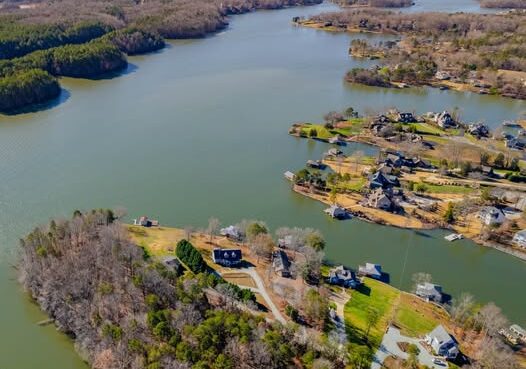

How to Buy Land and Subdivide It for Profit
How to Buy Land and Subdivide It for Profit Table of Contents Introduction Land Scams on the Rise: Protecting Yourself From Scammers How to Avoid Scams and Ensure Payment Security When Selling Land Ready, Set, Sell! Listing Your Land: Finding the Right Buyer The Fast Track to Selling Your Land: Selling to a Land Investor The Closing Stretch: Sealing the Deal from Out-of-state Conclusion Land investing is becoming one of the most strategic and scalable real estate plays of the decade, and the numbers support that claim. In 2024, farm real estate (which includes both land and structures) was valued at a projected $3.52 trillion, making up over 83% of total U.S. farm assets, according to the USDA’s Farmland Value Report. The average per-acre value of U.S. farmland rose to $4,170, a 5% increase over 2023. This isn’t a short-term spike. From 2018 to 2023, farmland posted a compound annual growth rate of 5.1%, reflecting strong, steady appreciation even after adjusting for inflation. But what’s proving even more profitable than just holding land long-term? Buying it, then subdividing it into smaller, sellable lots. This approach, particularly through minor subdivisions, offers the potential for higher per-lot profits, more flexible resale options, and shorter turnaround times without the complexity or cost of major developments. In this guide, you’ll learn exactly what a minor subdivision is, why it works, and how to use it to build value into your land deals step by step. What Is a Minor Subdivision? A minor subdivision is the legal process of dividing a single parcel of land into a small number of new lots, typically fewer than five. The specific threshold that defines a “minor” versus a “major” subdivision varies widely depending on the county or state. This process is regulated by local zoning and subdivision ordinances. Example of thresholds by location: Jurisdiction Minor Subdivision Threshold Key Conditions Source Maricopa County, AZ ≤ 5 lots No new public infrastructure (roads/sewers) required Maricopa County Subdivision Ordinance Monroe County, FL ≤ 4 new lots Creates 4 or fewer lots from one parcel Monroe County Land Development Code Sonoma County, CA ≤4 lots Often requires strict septic/health dept approval Sonoma County Code of Ordinances Why Thresholds Matter: Exceeding your county’s lot limit or missing conditions (e.g., needing a new road) forces you into complex “major subdivision” territory—adding years, costs, and regulatory headaches. Distinction from Major Subdivisions: Major subdivisions involve creating many lots (often 6+) and usually mandate installing new infrastructure like roads, sewers, and utilities – a complex, costly, multi-year process requiring significant capital and deep expertise. Minor subdivisions generally avoid this heavy lift. The benefits of minor subdivisions are compelling, especially for new and experienced investors alike: Lower Capital Investment. You’re not building an entire neighborhood, so your upfront costs are significantly reduced. Initial investment focuses on land purchase, surveys, engineering, and fees. Reduced Complexity and Regulatory Hurdles. The approval process is generally simpler and faster compared to major developments. Quicker Turnaround Time for Profit Realization. Less complexity means you can often complete the subdivision and sell your new lots much faster. In some areas, preliminary plat reviews for minor subdivisions might target 60 days, though the full process can extend longer depending on local backlogs and complexity. Accessibility for Newer Investors. Its manageable scale makes minor subdivision a fantastic entry point into land development. The key takeaway here is manageability coupled with significant profit potential. You’re creating more value from less initial effort. Why Split Land? The Profit Potential So, why go through the effort of splitting land when you could just sell the original parcel? Because subdivision creates value. It’s a fundamental principle of real estate: smaller, more manageable lots often command a higher price per acre than a large, undivided parcel. Consider this example: Imagine you purchase a 10-acre parcel of raw land for $150,000. If that land is properly zoned and suitable for a minor subdivision, you might be able to split it into four 2.5-acre lots. Even if each of those smaller lots sells for $60,000 individually, you’ve just turned a $150,000 investment into $240,000 in gross revenue, before accounting for your subdivision costs. This demonstrates how subdividing can significantly increase the total market value of your land. Studies suggest that land development projects, when managed efficiently, can yield profit margins ranging from 10% to 30%, with some experts aiming for a “sweet spot” of 16-20% net return on development cost. You’re right to highlight that minor subdivisions aim to simplify the process. The distinction is crucial: while a minor subdivision is technically a ‘land development project‘ because it creates new, more valuable parcels, it deliberately bypasses the extensive infrastructure construction and multi-year timelines associated with major developments. The ‘development stuff’ you might be thinking of – massive road networks, new utility plants, sprawling housing projects – is typically reserved for major subdivisions. Minor subdivisions focus on efficiently dividing existing parcels, leveraging current infrastructure or requiring only minimal additions, making them a far less complex undertaking. These attractive profit margins apply to this streamlined form of land development as well. Beyond just the direct sale, subdivision creates multiple exit strategies. You could: Sell all the newly created lots to individual buyers or builders. Sell a few lots to recoup your initial investment and hold onto the remaining ones for future appreciation. Build custom homes on one or more of the lots yourself, further increasing profit. Utilize tax advantages related to land development and potentially benefit from increased equity in your assets as the market value of your subdivided parcels grows. Your Next Profitable Land Project Starts Here We are very pleased with the fair offer we received from Acrewell Land Company for our land. Alexander Reese and Marilag walked us through all aspect of the selling process, which made us feel more comfortable that we were making the right choice. I fully recommend this company to anyone who is considering selling their property to Acrewell. Carolyn Pellot I am absolutely delighted to write a glowing